
Essential Steps to Automate Routine Business Tasks
Understanding the Need for Automation
In today's fast-paced business environment, efficiency is paramount. Small and medium-sized businesses constantly seek ways to improve operational workflows without extensive technical investments. A key avenue for achieving this is through the automation of routine tasks. Automating these tasks not only frees up valuable human resources but also enables businesses to focus on more strategic activities. With advancements in AI technology, incorporating automation has become more accessible and beneficial for growing businesses.
Identifying Tasks Suitable for Automation
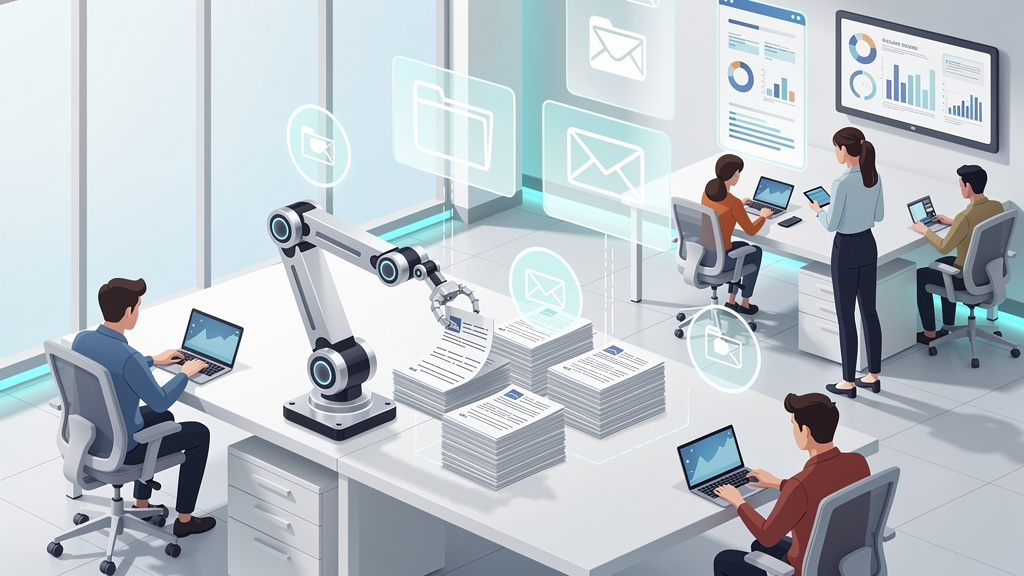
Before diving into automation, it is crucial to identify which tasks can be automated to yield the most significant benefits. Common candidates for automation include repetitive tasks such as managing emails, sorting files, organizing calendars, and drafting routine messages. These tasks, often time-consuming and monotonous, can be efficiently handled by AI without sacrificing quality. Carefully evaluating your business's needs and pain points will help prioritize which processes to automate first.
- Routine data entry tasks
- Customer service inquiries
- Inventory management updates
- Scheduling social media posts
- Generating recurring reports
Choosing the Right Tools for Automation
The success of any automation effort hinges on selecting the right tools and technologies. Not every tool is suitable for every business, so it is essential to choose one that aligns with your specific needs and operational scale. Tools like Personal AI System offer robust solutions tailored for small and medium enterprises. These systems provide smart automation capabilities, ranging from sorting emails to managing complex schedules, and can handle these tasks remotely or on a local server, offering flexibility and control.
Setting Up Automations Successfully
Once you have identified tasks and selected appropriate tools, the next step is setting up these automations. Begin by automating tasks that cause the most disruption in your routine. This phased approach ensures that you can gradually increase the complexity of automated functions without overwhelming your operations. Building a customized AI system like the Personal AI ensures seamless integration with existing tools such as email and calendar applications, enhancing productivity while maintaining continuity.
- Identify key pain points
- Evaluate and select suitable AI tools
- Start with simple automations
- Integrate with existing systems
- Monitor and adjust as needed
Maintaining and Expanding Automations
Automation is not a set-it-and-forget-it solution. Once automations are in place, continuous monitoring is vital to ensure they operate correctly and adapt to any changes in your business environment. As your organization evolves, you might discover new areas where automation can be introduced, or existing automations might need tweaking to perform optimally. With a foundation in place, expanding your AI capabilities to include personalized assistants with memory, connected to all your essential data sources, can further enhance decision-making and business outcomes. Learn more about potential advancements by exploring [how personal AI systems transform business decision-making](https://personalai.studio/blog/transforming-business-decision-making-with-personal-ai-systems).
Reaping the Benefits of Automated Workflows
The ultimate goal of automating routine business tasks is to streamline operations and empower employees to focus on strategic objectives. Businesses that effectively utilize AI for automation can experience significant productivity gains, reduced operational costs, and improved employee satisfaction by eliminating burdensome tasks. Moreover, these enhancements can result in a competitive advantage in your industry, as your business can respond more swiftly to market changes and customer needs. Embracing automation is a step toward future-proofing your business, ensuring adaptability and resilience in a dynamically changing world.